Automotive Lifestyle Trends 2026
The automotive world is no longer defined only by engines and mechanical performance. It is shaped by digital ecosystems, global marketplaces, and shifting cultural identities that influence how people experience mobility. Cars have evolved into symbols of lifestyle, status, and even digital presence, reflecting how society now interacts with technology in everyday life.
In this transformation, automotive lifestyle trends are accelerating globally, driven by changing consumer expectations and rapid marketplace innovation. At the core of this shift is the modern driving culture evolution, where mobility is no longer just about transportation but about identity, access, and experience across interconnected digital automotive platforms.
The New Automotive Lifestyle Movement
The automotive landscape is undergoing a cultural reset where vehicles are no longer just owned, they are lived with, shared, and expressed as part of personal identity. This movement is deeply connected to global digital marketplaces that allow people to experience cars in more fluid, flexible ways than ever before.
The rise of online automotive ecosystems has reshaped how people discover, compare, and engage with vehicles. In this space, automotive lifestyle trends are becoming central to how brands position themselves in competitive global marketplaces.
Cars as lifestyle and identity statements
Modern drivers no longer choose vehicles purely for utility. Instead, they select cars that reflect personality, aspirations, and digital identity. From minimalist electric sedans to rugged adventure SUVs, every choice becomes a narrative. Long-tail search behavior like “best lifestyle vehicles for urban professionals 2026” shows how deeply lifestyle-driven decisions now influence global automotive marketplaces.
Social media influence on vehicle culture
Social platforms have become unofficial showrooms where car culture is shaped daily. Viral modifications, influencer reviews, and aesthetic-driven content heavily impact purchase decisions. As automotive analyst Richard Hammond once noted, “A car today is judged as much by its online presence as its road performance,” highlighting how digital perception now defines automotive value.
Community driven automotive experiences
Communities are no longer local, they are global and always connected. Enthusiasts gather in hybrid digital-physical spaces, sharing builds, reviews, and experiences in real time. These communities reinforce emotional connections that traditional marketplaces once overlooked.
Digital Innovation in Automotive Living
Digital transformation is redefining how people interact with vehicles, turning mobility into a seamless extension of everyday life. The integration of smart systems, AI, and digital ownership models is reshaping expectations across global automotive marketplaces.
The influence of modern driving culture evolution is especially visible in how users now expect continuous connectivity between their cars, devices, and digital environments.
Smart mobility and connected lifestyles
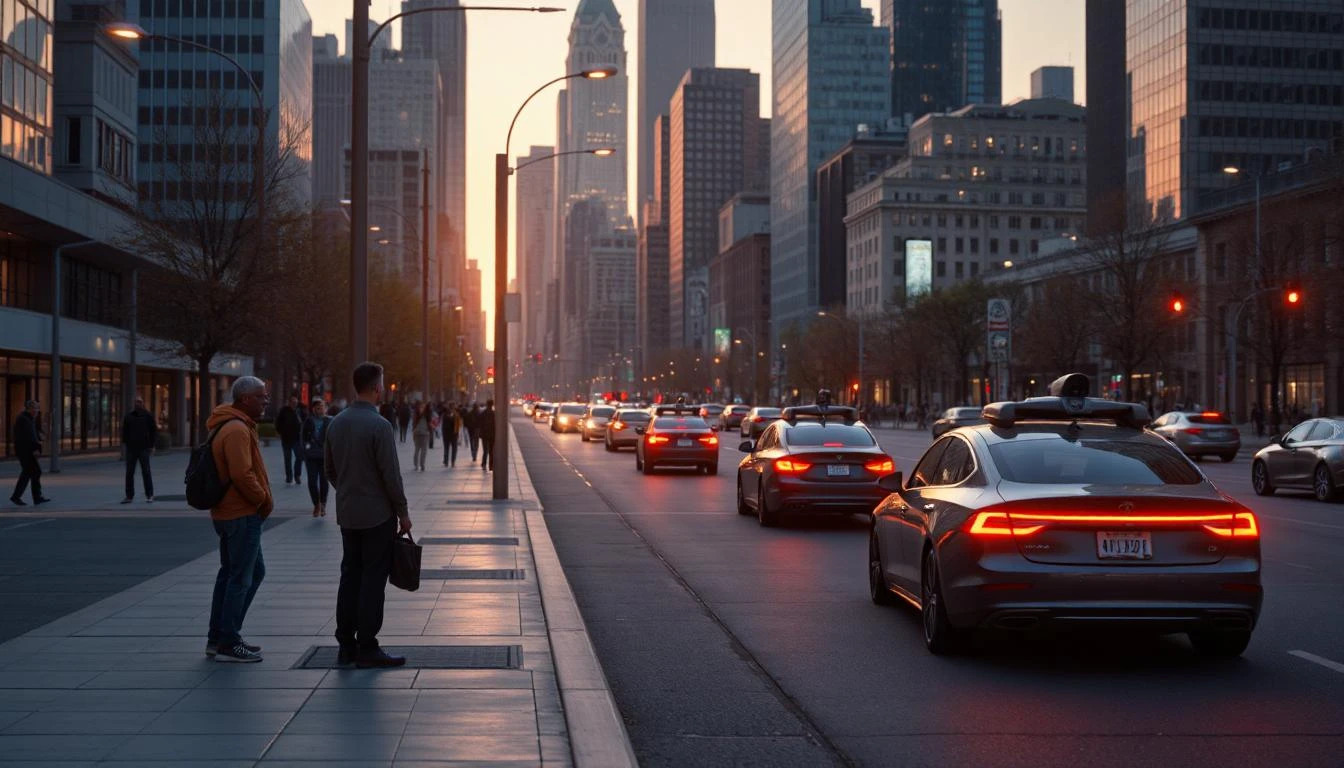
Vehicles are now integrated into smart ecosystems, communicating with homes, cities, and personal devices. Drivers can synchronize routes, energy consumption, and even entertainment preferences through unified platforms, creating a frictionless mobility experience.
Subscription based vehicle ownership models
Ownership is shifting toward flexibility. Instead of buying a single car, users now access fleets of vehicles based on lifestyle needs. This shift is fueling search trends like “flexible car subscription services for digital lifestyle 2026,” reflecting how mobility is becoming service-oriented rather than asset-driven.
Integration of AI into daily driving habits
Artificial intelligence now acts as a co-pilot, optimizing routes, predicting maintenance, and enhancing safety. According to mobility expert Dr. Elena Martinez, “AI is turning vehicles into adaptive companions that learn from every journey,” emphasizing how deeply intelligence is embedded into modern driving experiences.
Sustainability and Modern Car Culture
Sustainability is no longer a niche movement, it is a global expectation shaping how vehicles are designed, purchased, and experienced. This shift is deeply intertwined with automotive lifestyle trends that prioritize environmental awareness.
Consumer behavior in global automotive marketplaces increasingly reflects eco-conscious decision-making, influencing everything from vehicle selection to accessory choices.
Eco conscious driving communities
Communities focused on sustainability are growing rapidly, sharing strategies to reduce emissions and promote responsible driving habits. These groups often collaborate across borders, turning eco-driving into a shared global mission.
Electric vehicles as lifestyle choices
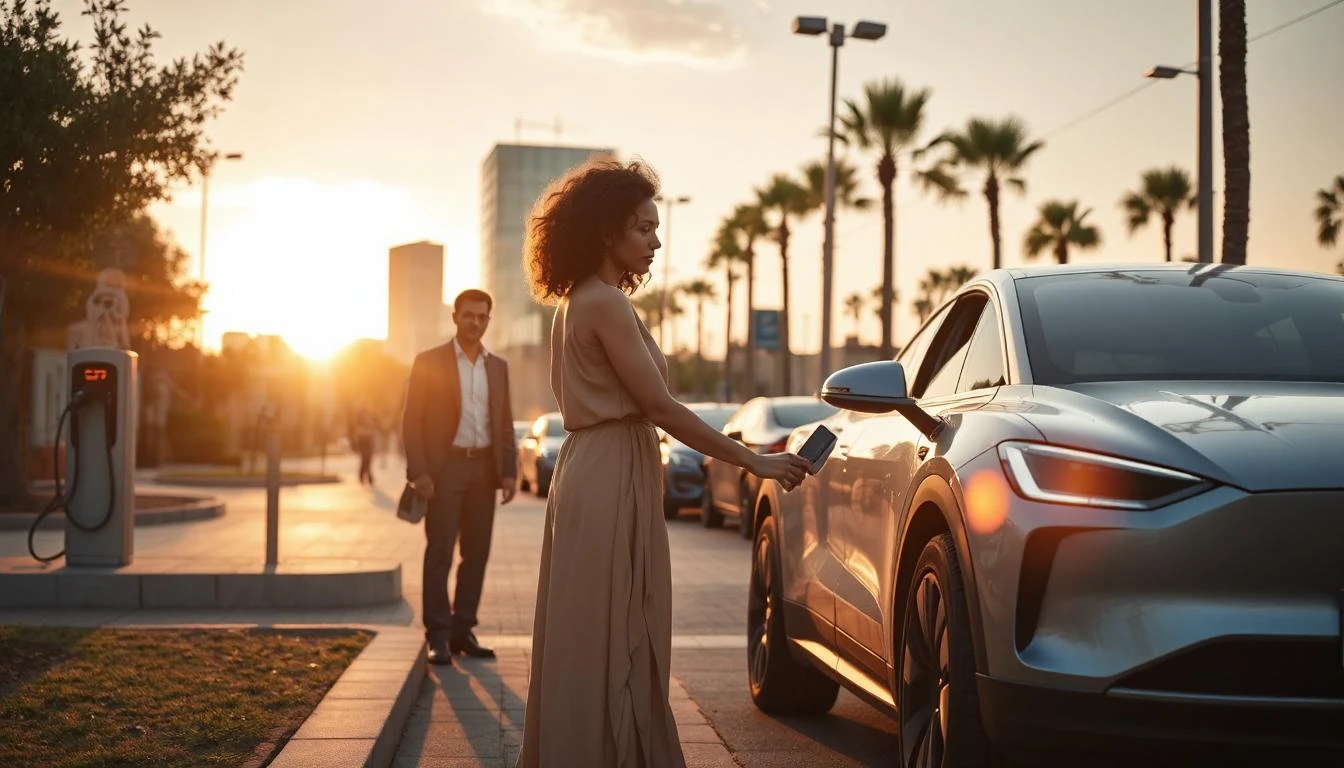
Electric vehicles are now cultural statements. Buyers searching for “eco-friendly electric cars for modern urban living 2026” are not just seeking transport, they are aligning with values of innovation and responsibility.
Sustainable automotive products and accessories
From recycled interior materials to biodegradable cleaning products, sustainability now extends beyond vehicles into the entire automotive ecosystem.
The shift toward greener mobility is not just technological, it is psychological, reshaping how people perceive responsibility in everyday driving.
Luxury and Performance Lifestyle Trends
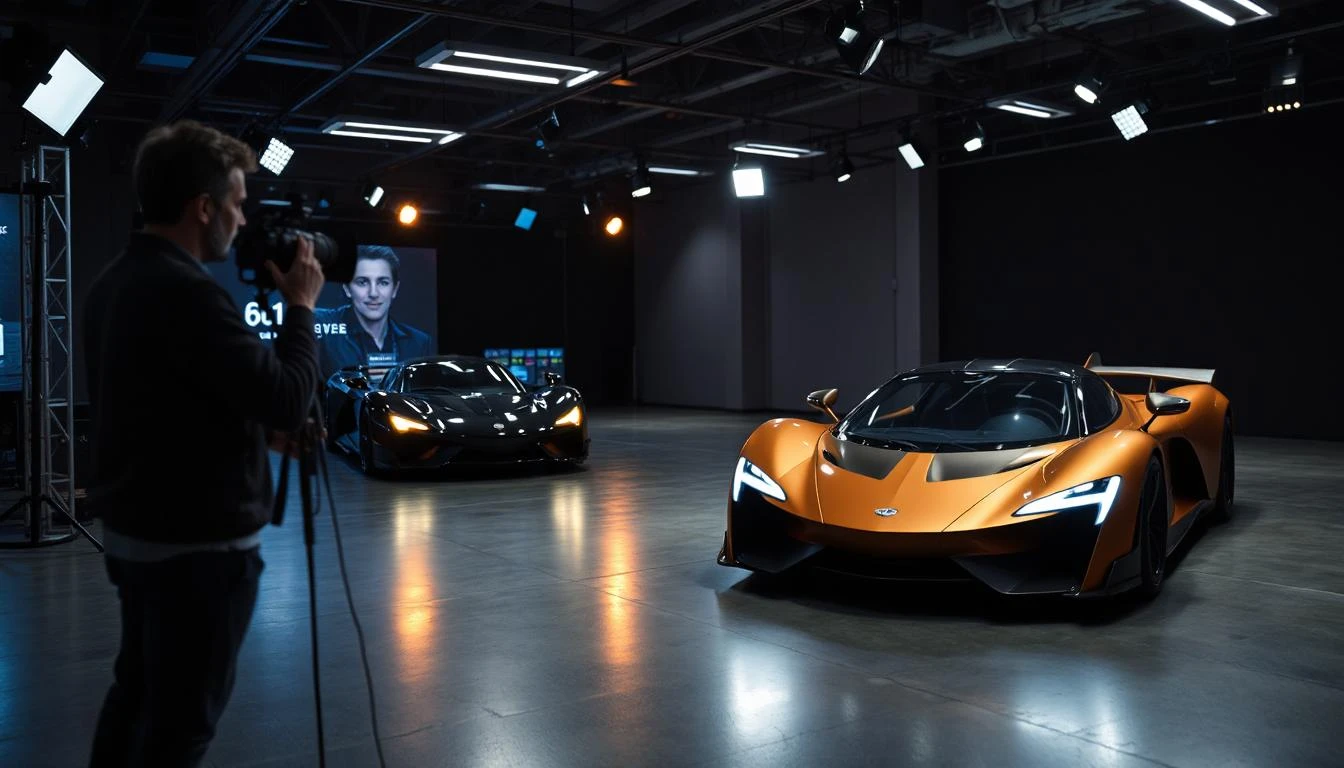
Luxury automotive culture is entering a new phase where exclusivity is defined not only by performance but also by intelligence and digital integration. High-end vehicles now function as personalized ecosystems rather than static machines.
The modern driving culture evolution is evident in how luxury buyers prioritize connectivity, AI integration, and experiential value over traditional horsepower metrics.
Search behavior such as “ultra luxury electric performance cars with autonomous features 2026” reflects this evolving mindset in global automotive marketplaces.